The Monday after should feel like a Monday.
Closing is a legal event. What matters to a practice is the ordinary week that follows it — the same faces, the same rooms, the same standards, with different people carrying the paperwork.
A clinician leads it, because a clinician knows what’s at stake in the room.
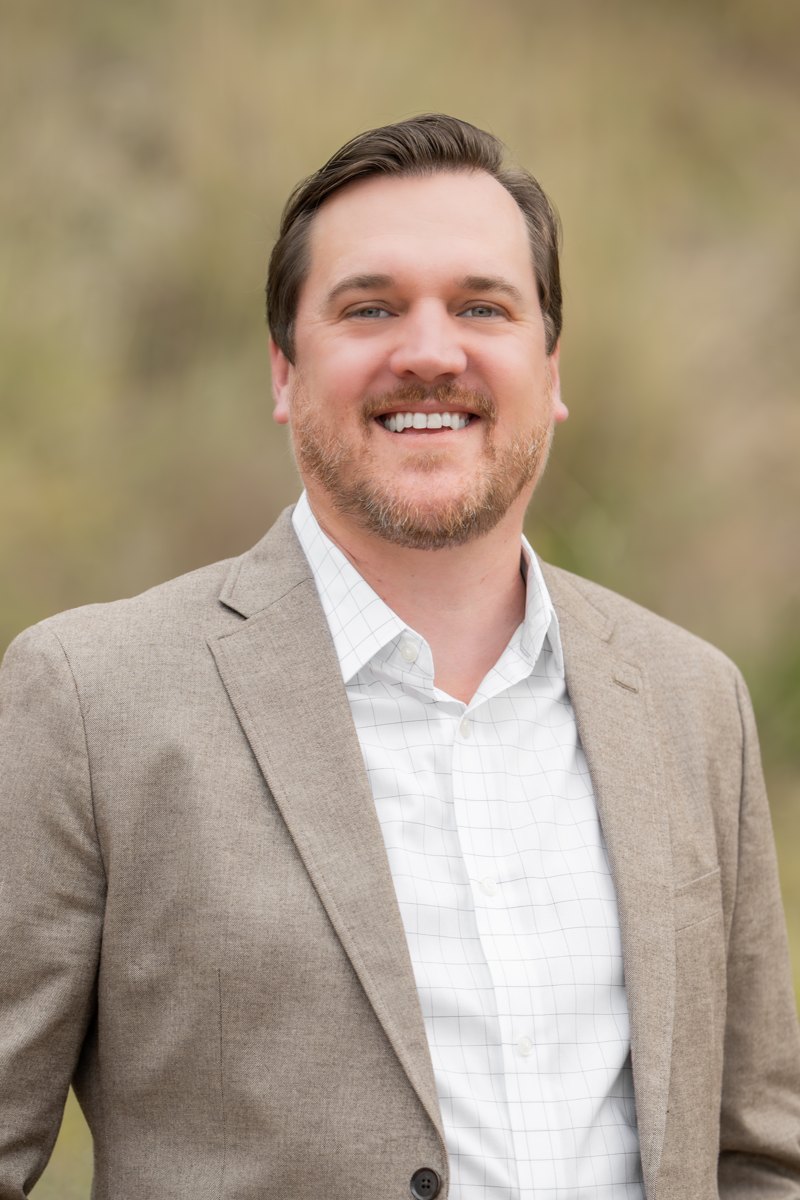
Kyle Bender, LMFT heads Kindwell’s Clinical Transition Team. His team is the part of Kindwell a practice actually meets: the people who sit with clinical leadership, learn how the practice already works, and move operating responsibility without disturbing care.
The order of a transition is coordinated with the founder and clinical leadership. What gets said, and to whom, is part of the work — not an afterthought once the documents are signed.
Most of the change is invisible from the waiting room.
This is what the work is aiming at. It describes the intent of the operating model, not a guaranteed schedule for any particular practice.
The same clinicians, in the same rooms, with the same schedule they set.
An inquiry from Friday is somebody’s job to answer and match.
A denial from March sits with the billing team, not the founder.
A new clinician’s credentialing is being tracked, not chased.
The intent is a week that ends without a second job waiting on Sunday.
The practice stays on the surface. The weight goes underneath.
Read top to bottom: what a community keeps recognizing, and then the work that stops being anyone’s evening.

Nothing about the room changes on the day the paperwork does.
The name on the door
Unchanged is the intent.
The clinicians
The team already there.
Clinical leadership
Standards set close to the room.
Reputation
Earned locally, over years.
Referral relationships
Pediatricians, schools, physicians.
Community identity
A place, on a street, in a town.
Recruiting & hiring
Clinical leaders who were interviewing between sessions.
Intake & growth
The person who used to return calls at 9pm.
Revenue cycle & billing
Whoever had the billing login and the headache.
Credentialing & payer work
New clinicians waiting to be able to see clients.
Finance & payroll
The founder who did this on Sundays.
Technology & reporting
Anyone who has ever exported a spreadsheet to answer a simple question.
Three states, deliberately not three deadlines.
We don’t publish a 30/60/90 plan, because a practice isn’t a software rollout. These are the states the work passes through.
Understand the practice before changing how it runs
The team, the demand, the clinical identity, and how the week actually works today.
Clinicians walk the practice through the handoff
What gets said, to whom, and when. Care and caseloads stay steady while responsibility behind the scenes begins to move.
Operating responsibility sits with operators
Recruiting, intake, revenue cycle, credentialing, finance and technology are carried by teams whose job that is.
Some founders stay. Some step back. Both are real answers.
A founder’s role after an acquisition is a conversation, not a template. What we’d rather not do is decide it before we understand what you actually want your days to look like.

Whichever answer it is, the room keeps working.
Stay clinical
Keep seeing clients and stop running the business. For a lot of founders this is the whole reason to do it.
Lead the practice
Stay at the head of the practice with the operating weight carried underneath you.
Hand it over across time
Step back on a shape you help define, rather than on a date somebody else picked.
The question isn’t what happens to the practice. It’s what you want your week to be.