Not about themselves. What happens to my therapists?
Before questions about money or timelines, most founder-clinicians ask about the people who made the practice what it is. This page is our answer to that question, as plainly as we can put it.
We don’t promise jobs, pay, caseloads or benefits here. We describe what the model is built to hold for a clinical team.
The way a practice treats clients doesn’t get rewritten from a distance.
Clinical leadership — who sets tone, who supervises, how a team talks about care — is meant to keep living inside the practice, with local clinical leaders still leading.
What moves is the operating work behind that leadership, not the leadership itself.

Clinical education happens in rooms like this one, run by clinicians.
Support is the operating work nobody sees.
This is what the operating company is designed to take on for a clinical team — not a description of every practice’s day, and not a guarantee of hours, caseload, or autonomy.
Intake that isn’t a clinician’s second job
Inquiries get answered and matched by a team whose job that is, not by whoever picks up the phone.
Credentialing tracked, not chased
Payer enrollment and re-credentialing are followed by an operating team rather than left on a clinician’s desk.
Billing as a discipline
Claims, denials and follow-up are handled by people who do that work every day, rather than by the clinical team.
Scheduling and administrative load
The parts of a week that have nothing to do with therapy are the parts we’re built to carry.
The transition is walked by someone who has sat in the room.
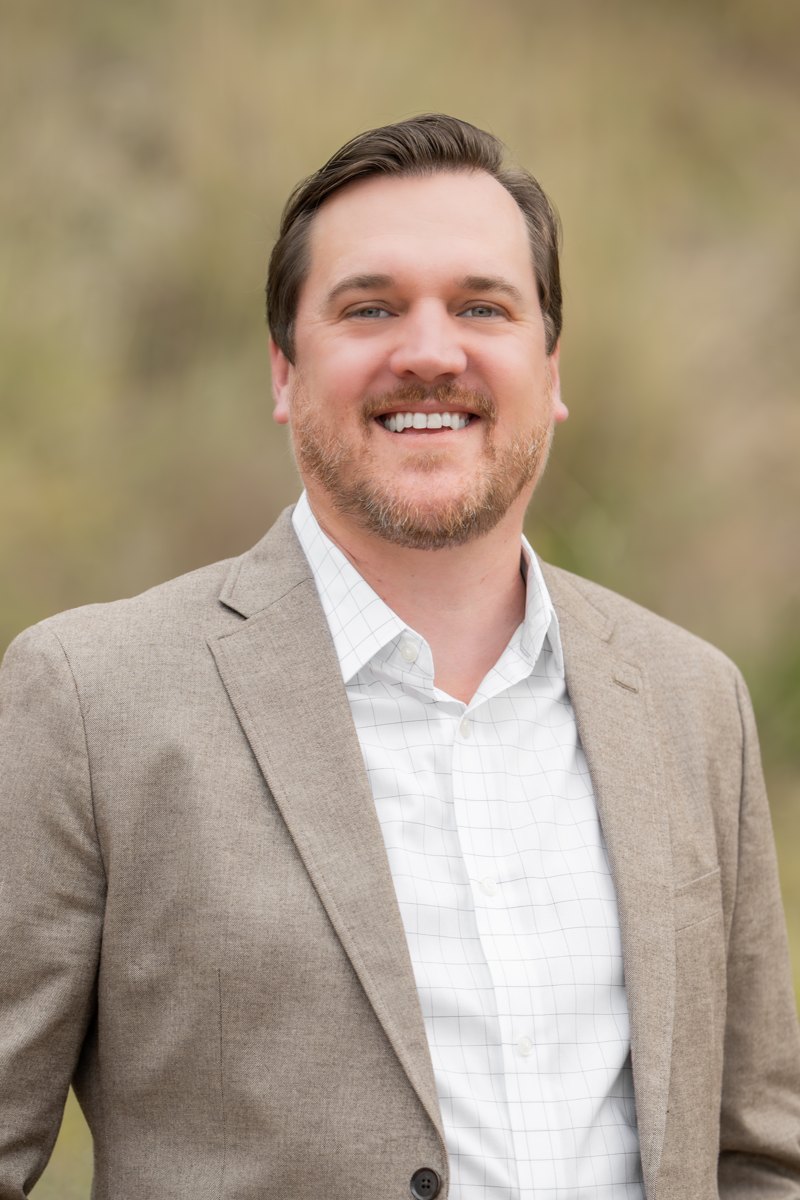
Kyle Bender, LMFT
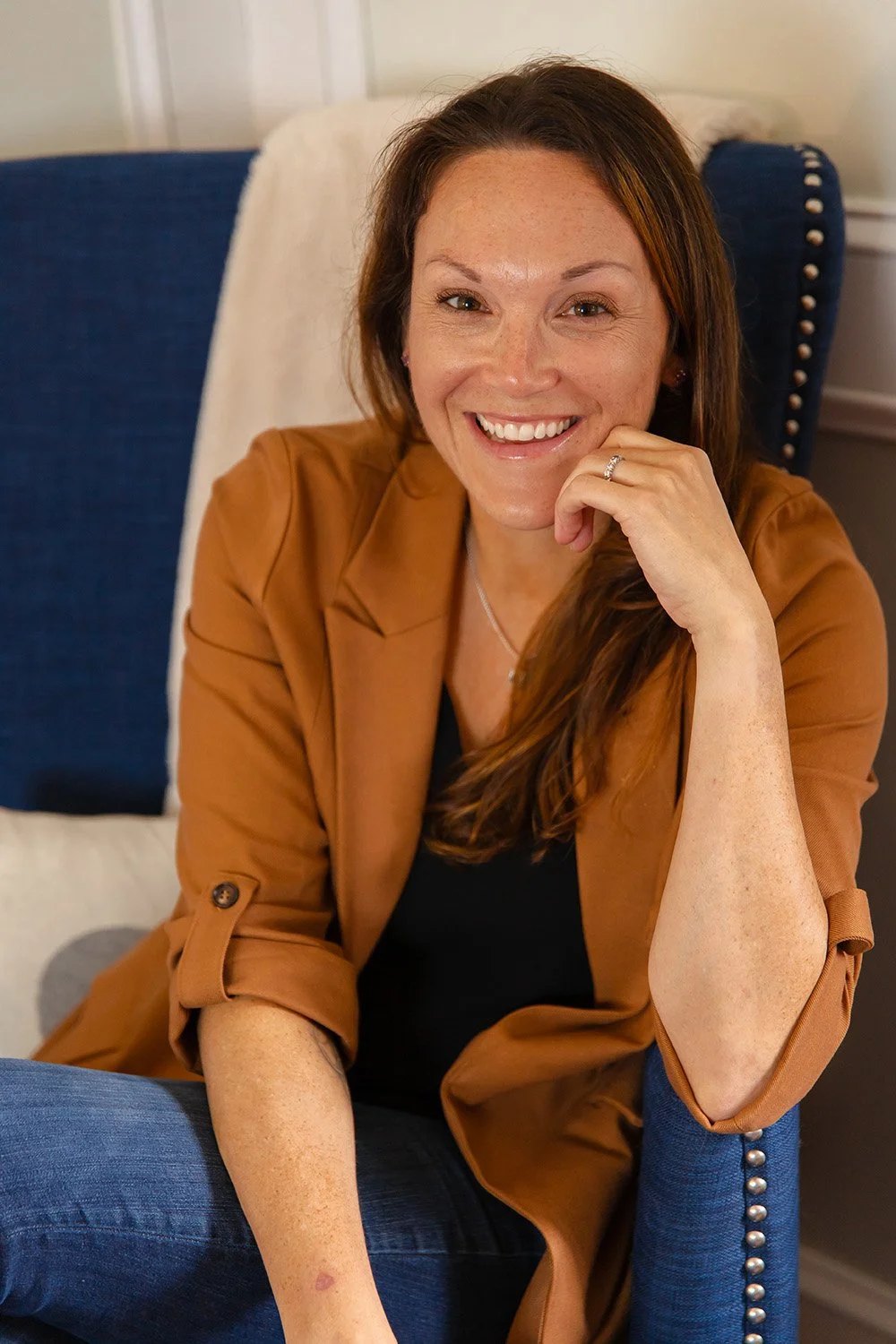
Laurel Thornton
Clinical certification and specialization work is run inside the company, not outsourced. The people responsible for clinical education and transition are clinicians.
We don’t promise a therapist will stay. We can say what tends to happen.
Approved proof only. No caseload, compensation, benefit or job-security claim is implied by this figure.
94%
Therapist retention rate
The people who make a practice what it is tend to stay. This describes the current operating set, not a guarantee for any one practice or clinician.
The team already there is the reason the practice works.
Everything above describes what the model is designed to hold underneath a clinical team. What it means for a specific practice is worked out with the people who lead it.