The private network for behavioral health practice founders.
Residency isn’t a program to complete. It’s a network to belong to.
Better peers, better operating intelligence, and useful connections — without another thing to manage.

Residency isn’t a program.
No course to finish.
No weekly call to attend.
No coach to impress.
No acquisition obligation.
Access is reviewed, not purchased.
The network is only as good as who is in it, so membership is read for founder fit and contribution rather than sold.
The index
People
Peers who run the company behind the clinical work.
Intelligence
Operating context written for owners, not observers.
Tools
Working instruments you can use the same week.
Connections
Introductions made when there is a real reason.
Gatherings
A few rooms worth showing up for.
This is the intended shape of the network, not a fixed inventory or a promised cadence.
The right conversation at the right moment.
Members can find relevant peers by context rather than by luck — where they practice, what stage they are in, and what they are trying to solve this year.
The index is a member facility. Nobody is listed here, and nobody is on display.
Metro · Regional · Multi-state
First hires · Team of clinicians · Multi-site
Private pay · In-network · Mixed
Stepping out of caseload · Clinical leadership · Succession
Instruments, not coursework.
Most founders need the one working document that makes a decision clearer.
01
Founder operating scorecard
02
Therapist recruiting & interview scorecard
03
Intake conversion tracker
04
Founder-dependency audit
05
Succession-readiness checklist
06
Enterprise-value driver worksheet
07
Acquisition diligence checklist
—
and more as the library grows
These are the kinds of instruments the library is built to hold. Not every one is finished today.
A network gets more useful when the intelligence compounds.
Owners make consequential decisions with almost no comparison. The context that would help sits inside private companies that never talk to each other.
A small set of operating measures, on the member’s terms.
The intended model is anonymized contribution and aggregate context.
Direction, range and pattern a single practice cannot generate alone.
No benchmark figures exist yet. Nothing here reports results.

Introductions with a reason, not a quota.
When someone in the network could materially help you think, an introduction should be possible. There is no number to hit.
Opening a second location
Stepping out of a full caseload
Payer contracts and RCM questions
Founder succession
Fewer things. Better rooms.
Residency is not built around a calendar. Possible formats include small founder briefings, dinners among people who actually run practices, and eventually a larger annual room worth travelling for.
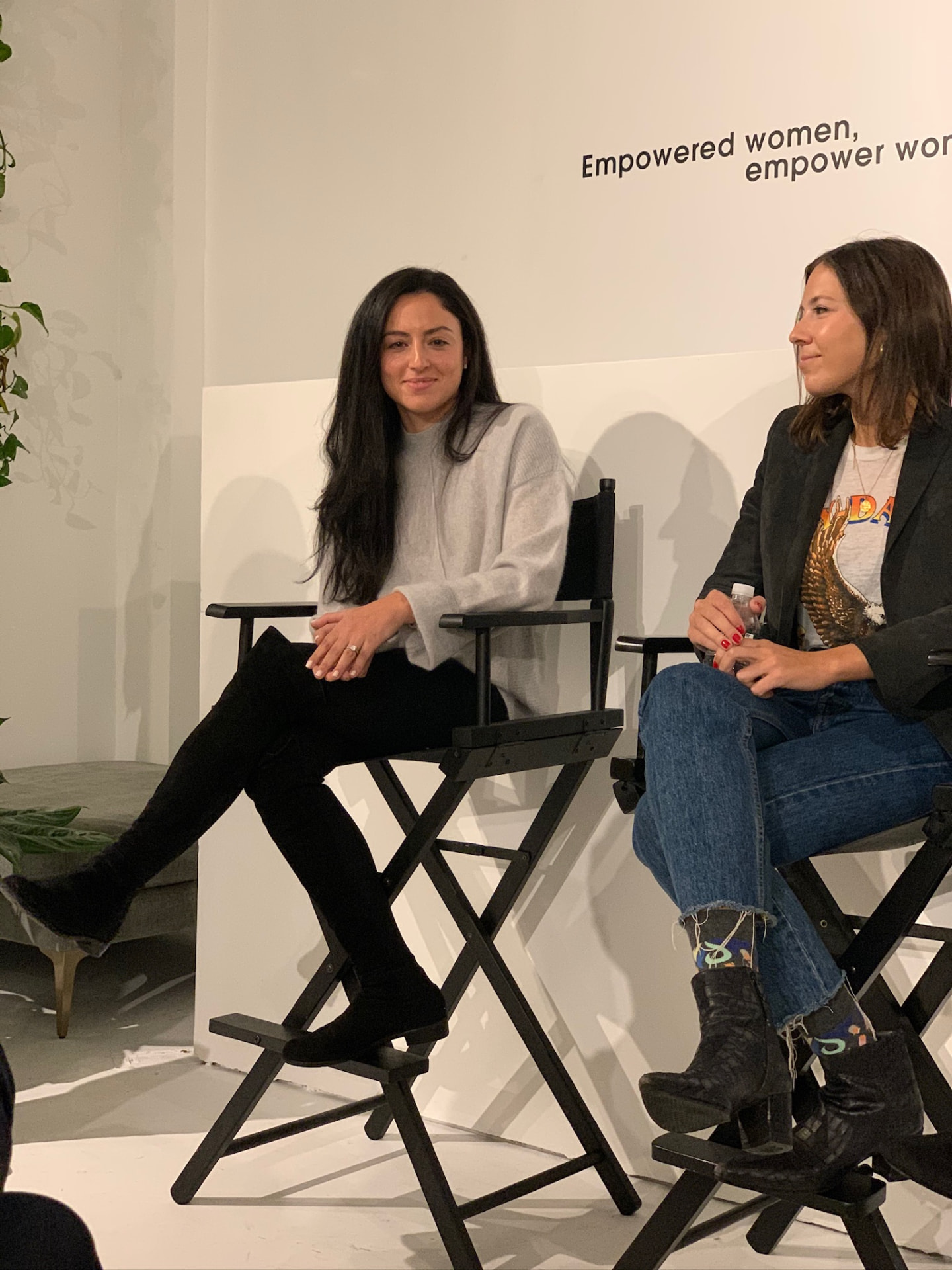
A small room, in conversation.
Built for founders who have something to contribute.
Clinician-founders and behavioral health practice owners
An established practice with a team beyond one person’s caseload
Founders who care about the quality and reputation of what they built
Founders who want peers and intelligence, not outsourced management
Founders willing to contribute perspective as well as take value
How the room stays useful.
01 Founders, not vendors.
02 Contribution matters.
03 Participation is optional, not performative.
04 No acquisition obligation.
05 Fewer, higher-quality interactions.
06 Useful whether or not a transaction ever happens.
Some members may someday explore a transaction with Kindwell. Others may never. The network should be worth belonging to either way.

Jennifer Teplin
Founder, Manhattan Wellness
Practice owners spend years solving the same problems alone.
Jennifer built Manhattan Wellness before joining Kindwell, and the work she describes — becoming an employer, a recruiter, a billing operation and a leader — is the work most founders do without anyone to compare notes with.Built a therapy practice from the ground up and now shapes what Kindwell protects clinically as practices grow.
Residency is built around that gap: not to manage practices, and not to recruit them, but so the thinking gets better.
If you run a practice, you should have better people to call.
Tell us about the practice you built and what you are working on this year.